
Cultivating a world of embodied connection
SPC Blog
-

The Evolution of Surrogate Partner Therapy
This article describes the five significant ways that Surrogate Partner Therapy has changed and evolved since its inception by Masters and Johnson in the 1960s.
-
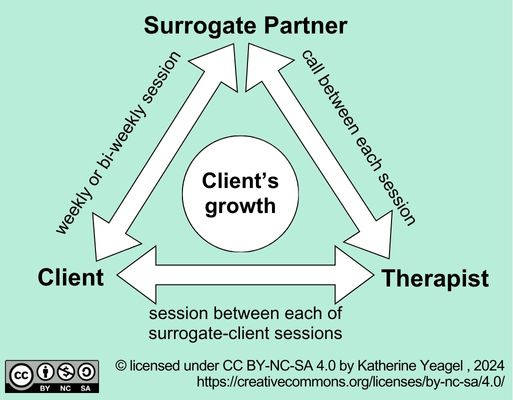
A Psychologist’s Experience of Surrogate Partner Therapy
I wanted to take the time to write a letter of endorsement for the surrogate partner work Jason Martin has been doing with one of my long-standing therapy clients through the triadic model. Dr. Sarah Taylor, Licensed Psychologist
-

What My Mom Taught Me About Consent
The narrative highlights a lesson about consent learned from the author’s mother’s response, “I don’t want to, but I will.” It differentiates between wanting and being willing, emphasizing the importance of clear communication in requests. The author reflects on how this insight relates to entitlement and offers a recommendation for further understanding through Dr. Betty…
-
Why You Should Be Unreasonable
This post describes the dangers of giving reasons to justify a preference rather than a clear and direct answer, and makes a recommendation of what you can do instead. It’s okay to give an answer without having to explain or justify. You don’t have to give a reason.
-

I Am NOT a Sexual Healer
Is a surrogate partner a “sexual healer”? The author emphasizes that, unlike the term “sexual healer,” the role of a surrogate partner is to foster a safe, realistic environment for clients to learn from their own choices and their own experience, thereby supporting personal growth rather than healing through intervention.
-

What Makes It Hard?
Accepting emotions instead of judging them as “hard” can simplify experiences. The article highlights the importance of distinguishing between descriptive and judging words in communication, emphasizing that emotional acceptance leads to intimacy and self-awareness. Understanding feelings as gifts enhances the ability to navigate the complexities of human emotion, fostering deeper connections.
-

Lessons From a Fast
The author reflects on insights gained from a four-day water fast, emphasizing the importance of experiencing desires without immediate gratification. The fast prompted awareness of habitual eating, the need to step outside comfort zones for personal growth, and how fasting resets bodily cravings. Overall, the experience fostered empowerment in decision-making and self-discovery.
-

The Danger in Normalizing
The concept of normalizing desires and preferences in sexuality and intimacy aims to foster self-acceptance but can inadvertently reinforce the need to be “normal” for acceptance. Instead, promoting the idea that everything is acceptable, regardless of normalcy, encourages true self-acceptance and values uniqueness over conformity. It’s better to prioritize acceptance over normalization.

